
Spaces · 5 min read
Why the same room can feel like two different places
Light, sound, and scale shape a room more than its furniture does.
June 28, 2026
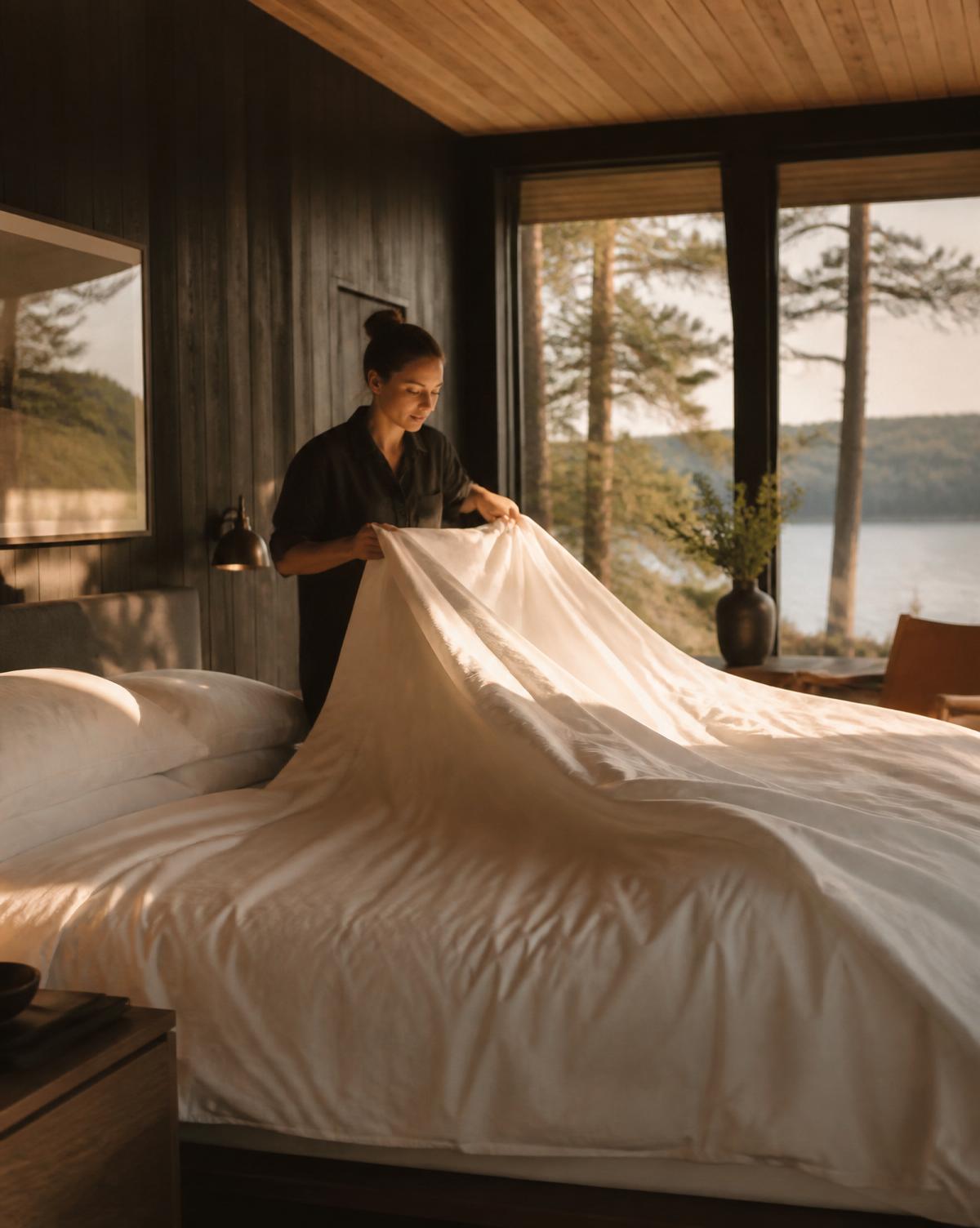
Walk into two houses with the same square footage and the same kitchen, and one will feel restorative while the other feels somehow off. It's rarely the furniture. It's almost always light, sound, and scale.
Light is the first thing the body reads. A north-facing room is calm; a west-facing room is warm at dusk and hard to sleep in without care. A single well-placed lamp can rescue a corner that a chandelier can't.
Sound is next. Hard surfaces make voices sharp; a rug and a curtain soften a room more than any decoration. The best homes we've stayed in were also the quietest, and the quiet was designed.
Scale is the subtlest. A ceiling six inches too low makes a beautiful room feel closed. A hallway six inches too narrow puts the body on edge without the mind noticing.
“The body reads a room long before the mind does.”
We evaluate spaces the way a guest experiences them — with the body first, then the eye. It's the same discipline whether we're helping select a home to buy or preparing one to host.
Keep reading
Spaces · 6 min
What actually makes a home restorative
Beyond the hot tub and the view — the quiet standards that do the real work.
Hospitality · 5 min
The difference between service and hospitality
Service meets a need. Hospitality anticipates one.
Stewardship · 6 min
What it means to steward a home, not just maintain it
A home held well is a home held with intention, long after the transaction closes.